




Frequently Asked Questions

Frequently Asked Questions Regarding Diet & Cavity Prevention
At what age should my child see a pediatric dentist?
Dr. Streeby agrees with the American Academy of Pediatric Dentistry that children should be seen by a pediatric dentist when they reach one year of age. Even though little or no work may be needed at that age, your child will get off to a good start. This appointment should be fairly easy on you and your child and it will pave the way for a positive attitude about dentistry.
How will my child behave at the dentist?
Don’t be upset if your child is anxious during the first or even the second visit. This is a normal reaction for some children. Dr. Streeby and his staff are trained to manage the fears and anxiety that may accompany a visit to the dentist. Before we do any procedures, we explain to you and your child what will happen and how it will feel. We take our time and respect the child’s need for reassurance.
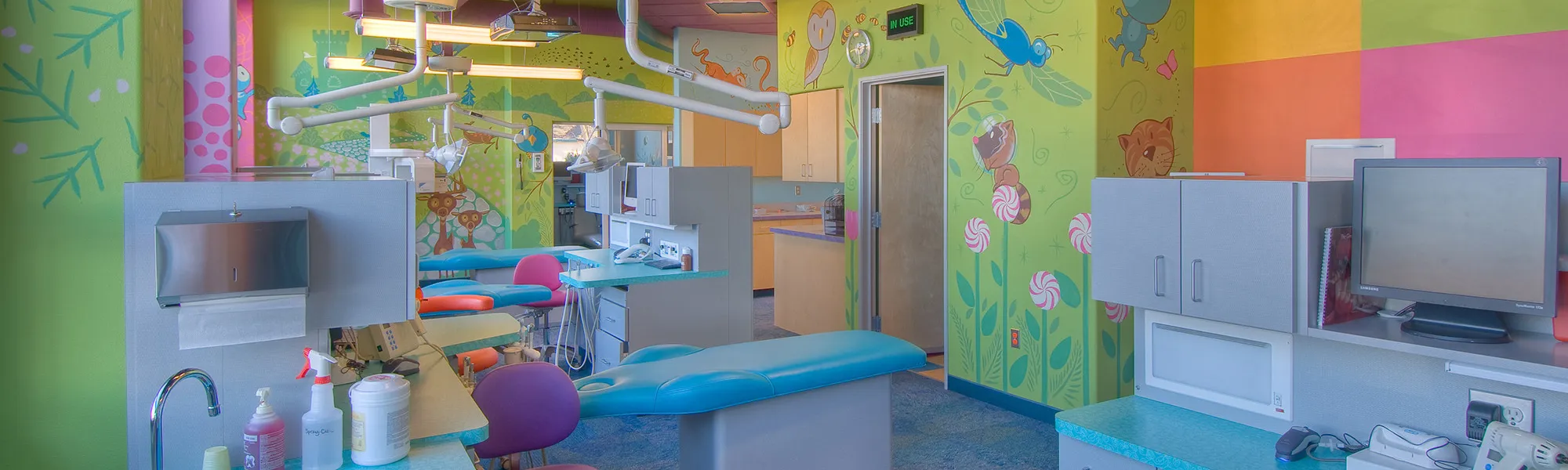
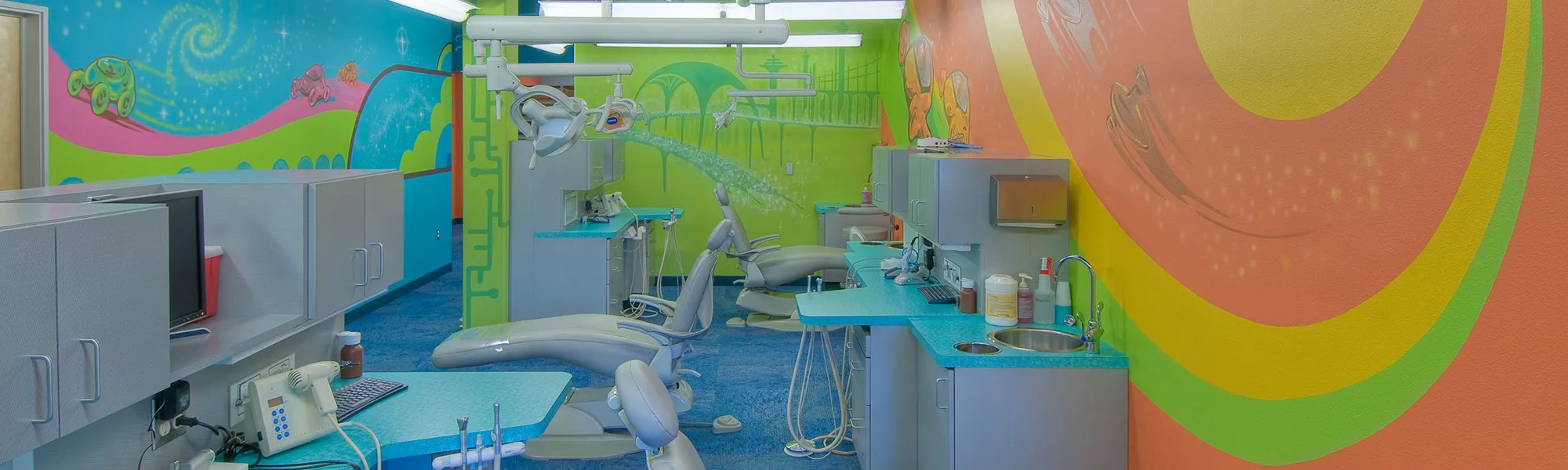
We want you and your child to have a positive, reassuring experience during the appointment. We love children and demonstrate compassion and patience with each one. Our office is designed and decorated to help children feel welcome and comfortable there.
May I accompany my child?
We always welcome parents to accompany their child on his or her first visit. Sometimes we’ll request your presence during certain procedures. At other times, we ask that parents remain in the reception room. We’ve found that children are much better patients when parents are not in the treatment area.
Cooperation and trust must be established directly with the child and not through the parent. If for some specific reason you are present in the treatment area, we ask that you remain quiet and observe.
Why are my child’s primary teeth so important?
The primary teeth are the foundation for permanent teeth. This means that neglecting the first teeth can and do frequently lead to problems with teeth later on.
Primary teeth are important because:
- They help in proper chewing and digestion
- They make space for the permanent teeth and help guide them into the proper place
- They permit normal development of jaw bones and muscles
- They aid in the development of good speech and provide an attractive appearance
Why does my child need X-rays?
Taking X-rays helps the dentist detect dental conditions that cannot be seen by just looking at the patient’s teeth. By finding dental problems early, treatment can start right away, and in the long run, save you money.
Most pediatric dentists request X-rays about once a year. Dr. Streeby takes all the necessary precautions to minimize the exposure of patients to radiation. Because of this, the amount of radiation the patient receives is extremely small.
Is Your Child in Need of Dental Care?
Dr. Dan Streeby provides excellent pediatric dental services in a fun environment. Contact us today to schedule an appointment!
How should I care for my child’s teeth?
Oral Hygiene
Babies need oral hygiene care even before their first tooth comes through. After feeding, you should gently massage your baby’s gums with a soft infant’s toothbrush or a piece of soft gauze.
Your child’s first tooth will appear at about six months. Schedule his or her first check-up with a dental health professional around the age of one.
At around three years, you can start teaching your child how to brush his or her teeth. Use a small, soft toothbrush and fluoride toothpaste made especially for kids. Only use a pea-sized amount of toothpaste. Most kids will still need help with brushing and gentle flossing for several years.
Until a child is about eight years of age, parents should brush and floss for them. The best way to do this is to have the child lie down on a changing table or in your lap.

How To Brush
- Teach your child to hold the toothbrush against the teeth at a 45-degree angle.
- Start along the gum line.
- Use a soft brush and brush in a gentle, circular motion.
- Brush the outer surfaces of each tooth – upper and lower.
- Repeat on the inside surfaces and chewing surfaces of the teeth.
- Finish by brushing the tongue to remove bacteria.
How To Floss
- Flossing should begin when at least two of your child’s teeth touch. You’ll need to do this for the child until he or she can do it alone.
- Use about 18 inches of floss.
- Hold the floss lightly between the thumbs and forefingers.
- Use a back and forth motion and gently guide the floss between the teeth.
- Push the floss down until you feel a little resistance.
- Gently scrape the floss against the side of the tooth.
- Repeat this for each tooth.
How do I prevent cavities?
First of all, healthy eating will lead to healthy teeth. A lot of the snacks that children eat can cause cavities, especially if the child isn’t practicing proper dental care. Sodas and food that stay in the mouth for a long time, like hard candy and lollipops, destroy the tooth enamel. Whole foods are better choices, rather than processed ones.
Oral Hygiene
Brushing regularly – twice a day for older children – is a good start. For infants, you can use a wet gauze or washcloth to wipe the plaque from the teeth and gums. At bedtime, replace the juice or milk in his or her bottle with water. See Baby Bottle Tooth Decay for more information.
Your dentist may also recommend protective coatings, called sealants, or home fluoride treatments for your child. Fluoride has been shown to significantly reduce cavities. Sealants can be applied to your child’s molars to prevent decay.
Baby Bottle Tooth Decay
This condition is caused by frequent and long exposure of an infant’s teeth to liquids that contain sugar. The sweet liquid settles around the teeth, feeding the bacteria that cause tooth decay. Some of the liquids to manage carefully are:

- Milk, including breast milk
- Formula
- Fruit juice and other sweetened liquids
Diluting the fruit juices and other sugary liquids really won’t make them less harmful. You should never put a baby to bed with a bottle or sippy cup filled with anything but water.
Extra credit – an extensive overview of symptoms and treatments for Baby Bottle Tooth Decay.
When does my baby start getting teeth?
When your child begins teething, this means that the primary teeth are coming through the gums into the mouth. Some babies get their teeth early and some get them late. The first baby teeth are usually the lower front teeth and usually begin erupting between the age of 6-8 months. See the Tooth Eruption Chart from the ADA.
Permanent teeth begin appearing around age 6, starting with the first molars and lower central incisors. This process continues until approximately age 21.
How do I handle tooth emergencies?
Lost Permanent Teeth
Falls or other injuries during play and athletic events can cause damage to the teeth and gums. If you believe your child has injured his or her mouth, your child should see the dentist as soon as possible so that no teeth are lost from hidden injuries beneath the gums. Prompt treatment often can help prevent later bite problems. Quick action can even save a tooth that has been knocked completely out of its socket.
If your child happens to have a permanent tooth knocked out, remain calm and find the tooth. Carefully rinse it off. Hold it by the crown rather than the root and try to reinsert it in the socket. If that is not possible, put the tooth in a glass of milk and take your child and the tooth immediately to the pediatric dentist.

Toothache
First, rinse the irritated area with warm saltwater. Then, place a cold compress on the area if it is swollen. Give the child acetaminophen for any pain, rather than placing aspirin on the teeth or gums. See a dentist as soon as possible.
What should I know about fluoride?
Fluoride is effective when combined with a healthy diet and good oral hygiene. When fluoride is used in small amounts on a routine basis it helps to prevent tooth decay. It encourages the strengthening of weak areas on the teeth, which are often the beginning of cavities.
Fluoride occurs naturally in water and in many different foods, as well as in dental products such as toothpaste, mouth rinses, and gels. The public water supply contains added fluoride, but the level of fluoride in your area’s water may not be enough. Ask Dr. Streeby about fluoride levels in your family’s drinking water.
What is Xylitol and is it good for my child?
Xylitol is a natural substance found in some vegetables and fruit. It is also produced naturally in our bodies. Although Xylitol tastes and looks exactly like sugar, it is very much unlike sugar. Xylitol is a special kind of sugar molecule because it is an antimicrobial – a substance that prevents the growth of bacteria.
Approved by the U.S. Food and Drug Administration (FDA) in 1963, Xylitol has no known toxic levels. The only discomfort that some sensitive people may notice initially when taking large amounts is mild diarrhea or slight cramping.
Is Sugar Bad?
Our mouths are home to over 400 strains of bacteria, most of which are benign. When there is an excess of sugar in the diet, an acidic environment is created in the mouth. Sugar feeds the destructive strains of bacteria, allowing them to reproduce.
These nasty bacteria, along with carbohydrate waste, stick to the teeth and tongue and hold the acid close to the teeth where it eats away enamel. Virtually whatever food you ingest, the remaining particles become food for plaque-producing bacteria.
What does Xylitol do?
Lising Xylitol helps to raise the alkaline levels in the mouth, thereby reducing the time that teeth are exposed to damaging acids. This bacteria-unfriendly environment also starves harmful bacteria of their food source.
Using Xylitol right before bedtime, after brushing and flossing, protects and heals the teeth and gums. Unlike sugar, it can even be left on the teeth overnight. With proper use, Xylitol actually stops the fermentation process leading to tooth decay.
Long-term use suppresses the most harmful strains of oral bacteria. Xylitol even has the ability to enhance enamel. It is most effective in treating small decay spots. Although larger cavities won’t go away, they can harden and become less sensitive.
Xylitol has recently received positive support in the Journal of The American Dental Association, which calls Xylitol an effective preventive agent against dental caries.
What are dental sealants used for?
A sealant is a clear or shaded plastic material that your pediatric dentist may apply to the chewing surfaces of the back teeth. Because the back teeth have depressions and grooves on their chewing surfaces, they are difficult or impossible to clean. The sealant forms a coating or barrier to protect the tooth from bacteria and bits of food. By protecting the depressions and grooves with a coating of sealant, your pediatric dentist can dramatically reduce the risk of decay for children and teens.
What is pulp therapy?
The pulp is the inner central tissue of the teeth. It contains nerves, blood vessels, connective tissue, and cells. Pulp therapy, also called “children’s root canal,” is done to maintain the health of the affected tooth when cavities or an injury to the tooth has occurred.
During a pulpotomy, the diseased pulp tissue within the crown is removed. Next, the dentist will place an antibacterial substance there to prevent bacterial growth. Finally, the dentist will replace the damaged enamel portion.
A pulpectomy is done when the entire pulp is involved. During this treatment, the entire pulp of the tooth will be removed from the crown and root. The root canal is then cleaned, disinfected, and filled with material. After that, a final restoration is placed.
What if my child grinds his or her teeth?
If your child wakes up in the morning with a sore mouth or jaw, it might be due to teeth grinding, also called bruxism (bruk-sih-zum).
Dentists don’t know for sure why some children grind their teeth, but they think there may be several reasons. It may have something to do with the child’s bite – the way the top and bottom teeth fit together. Or, a child may react to stress by grinding or clenching the teeth.
Many kids grind their teeth at some time or another. Most of the time, it doesn’t cause any pain or damage to the teeth. It may just annoy a brother or sister who shares the same room. In serious cases, nighttime grinding can wear down tooth enamel (the hard covering on the teeth), and cause jaw problems and pain.
Most children will probably grow out of the teeth grinding. But if it’s making your child’s jaw and face sore or causing headaches, talk to Dr. Streeby.
What can I do about thumb sucking behavior?
Sucking is a natural reflex that many children engage in. It may make them feel secure and happy or provide a sense of security at difficult times.
Usually, children stop thumb sucking between the ages of two and four. Thumb sucking that continues beyond the appearance of the permanent teeth can cause problems with proper growth of the mouth and tooth alignment.
Children who just rest their thumbs in their mouths are less likely to have problems than children who vigorously suck their thumbs. Sucking on a pacifier can be just as damaging. It can affect the teeth the same way sucking on a thumb can.

Tips to Manage Thumb Sucking
- Don’t scold children for thumb sucking. DO praise them or reward them when they aren’t.
- Try to lessen the child’s feelings of anxiety by distracting them with fun activities or soothing music.
- Have your dentist explain to the child why thumb sucking is a problem.
What about orthodontic treatment?
Timely orthodontic treatment can prevent more extensive treatment later. It’s never too early to monitor your child’s oral development. A very common condition that your pediatric dentist can identify is malocclusion – crowded or crooked teeth or bite problems.
Early care by an orthodontist can enhance your child’s smile, but the benefits go further than appearance. Straight teeth are easier to keep clean and thus less susceptible to tooth decay and gum disease.
Pediatric orthodontics can straighten crooked teeth, guide erupting teeth into position, correct bite problems, and prevent the need for tooth extractions.
Here are some indications that your child may have an orthodontic problem:
- Unusual facial profile
- Thumb and finger sucking
- Overlapped and crowded teeth
- Missing teeth
- Underbite
- Protrusion of upper front teeth
- Mouth breathing
These orthodontic problems will tend to show up at around age seven. Dr. Streeby will perform an orthodontic screening exam on all children who are three years old. He can then evaluate whether your child needs to be seen by an orthodontist.
Is tongue piercing safe?
There are many risks involved with piercing the tongue, lips, or cheeks. It can lead to chipped or cracked teeth and infections.
The mouth contains millions of bacteria and infection is a common complication of oral piercing. An infection could cause the tongue to swell, which could block your child’s airway. In addition, excessive bleeding or nerve damage can be caused by the needle hitting a blood vessel or nerve.
How does smoking or chewing tobacco affect teeth?
Smoking and chewing tobacco can cause many different medical problems and, in some cases, fatal diseases. However, many people don’t realize the damage that these habits do to the mouth, gums, and teeth. Smoking and chewing tobacco can lead to tooth staining, gum disease, tooth loss, and in more severe cases, mouth cancer.
Patients who use tobacco are more likely to produce bacterial plaque, which leads to gum disease. The gums are affected because the nicotine in tobacco causes a lack of oxygen in the bloodstream, so the infected gums fail to heal. It allows gum disease to progress more rapidly than in non-smokers. Gum disease still remains the most common cause of tooth loss in adults.
Most people know that smoking can cause lung and throat cancer, but many people are still unaware that it is one of the main causes of mouth cancer too. Every year thousands of people die from mouth cancer brought on by smoking.
Is Your Child in Need of Dental Care?
Dr. Dan Streeby provides excellent pediatric dental services in a fun environment. Contact us today to schedule an appointment!